Natural fibers · Bedding
How to Evaluate Gingerlily Silk Sheets: Momme, Weave, and Everyday Care
A silk sheet’s character is not captured by the word silk alone. Weight, weave, finishing, and the habits of the person who washes it all help determine whether the fabric feels crisp or fluid, delicate or reassuringly substantial. Knowing what to look for makes comparisons more useful—and care less mysterious.
Published November 4, 2026
Silk is often introduced as a sensation: cool beneath the hand, then warm; smooth, but not quite slippery; light enough to seem almost absent, yet capable of falling across a bed with a distinctly elegant weight. The description is evocative, though not especially useful when two sheets are being compared. For that, the details matter. A label may say “100% mulberry silk,” but it does not by itself explain how substantial the fabric is, how it was woven, what finish it has, or how demanding its care will be.
Those questions are practical ones. A sheet is not a fabric sample admired once and put away; it is a surface slept on, laundered, folded, and returned to service. When assessing Gingerlily silk sheets—or any silk bedding—it helps to look past the general promise of softness and examine the construction in a little more detail. Momme, weave, and finishing are not obscure technicalities. They are clues to how the textile may behave in ordinary life.
There is also a small pleasure in learning the vocabulary. “Momme” describes weight. “Charmeuse” names a particular kind of satin weave. “Long-strand” refers to the form of the silk fiber used in the yarn. None of these terms can guarantee that a sheet will suit every sleeper or household. Together, however, they offer a clearer account of what has been made—and what it may ask of its owner.
What “momme” tells you
Momme, commonly abbreviated as mm, is a traditional unit used to describe the weight of silk. It is based on the weight of a piece of fabric of a specified area, rather than on thread count. In broad terms, a higher momme figure indicates more silk by weight in the fabric. That can affect the sheet’s body, drape, opacity, and potential sturdiness, but it should not be mistaken for a simple quality score.
Think of momme as one useful measurement among several. A lighter silk may feel airy and fluid, while a heavier one may feel more substantial in the hand. Yet the finished sensation also depends on yarn, weave, and finishing. A higher number does not automatically mean a softer sheet, better sleep, or a longer life. Nor does a lower number, on its own, prove that a fabric is unsuitable. The details need to be read together.
Gingerlily bedding descriptions commonly identify silk weights such as 19 or 22 momme. When comparing sheets, note the stated weight for each item rather than assuming that every piece in a collection is identical. A fitted sheet and a flat sheet may be offered in different weights; product specifications should settle the question. If a listing does not state momme, it is reasonable to treat that as missing information, not to guess from the price, sheen, or product name.
Weight can influence how a silk sheet hangs and how it feels against the body, but it does not describe every aspect of durability. A well-made sheet still depends on consistent weaving and sound construction. Mattress fit matters, too: a fitted sheet with inadequate pocket depth may be stressed at the corners, no matter how appealing its fabric weight sounds. For a useful comparison, consider momme alongside the sheet’s dimensions, construction, and care instructions.
It is equally worth resisting the temptation to compare silk and cotton by thread count alone. Thread count is not a universal measure that translates neatly between different fibers and fabric structures. Silk has its own vocabulary and its own variables. A specification that gives fiber content, momme, weave, and care guidance is more informative than a single large number presented without context.
Weave: the structure beneath the sheen
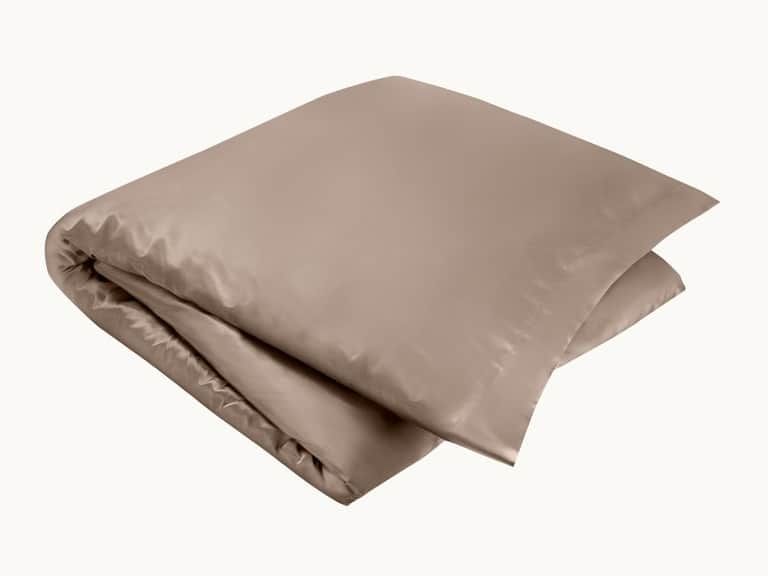
A weave is the arrangement of yarns that creates a fabric. With silk, that structure helps shape the surface, drape, and way light moves across the material. Charmeuse, a satin weave often used for silk bedding, is known for a smooth face and a more subdued reverse. Its finish can appear lustrous without making the textile feel stiff. That familiar sheen is not a separate layer of decoration; it comes from how the yarns are arranged and how light reflects from the surface.
The word “satin” can be confusing because it describes a weave structure, not a fiber. Satin can be made from silk, polyester, or other materials. A satin-like appearance, therefore, does not establish that a sheet is silk. If natural silk is important to you, verify the fiber content rather than relying on a glossy photograph or a general phrase such as “silky feel.” Likewise, “silk satin” and “silk charmeuse” may be used in product descriptions to communicate a particular smooth, lustrous surface, but the exact construction should be confirmed from the specifications.
Not every silk sheet has the same weave or finish, and not every brand describes those qualities with equal precision. Look for a clear account of the fiber, the weave where it is provided, and any finishing details that could affect the hand. A border, piping, or other decorative element changes the look and construction at the edge; it does not necessarily tell you about the whole sheet. Keep surface appearance and underlying material distinct in your mind.
Weave can also affect how a sheet behaves in use. A smooth surface may feel cool on first contact, while the fabric’s breathability and the room’s temperature influence comfort over the rest of the night. The sensation of silk is not a promise that every sleeper will feel cool in every climate. What it does offer is a light, supple textile whose surface and drape differ from many cotton constructions. Personal preference still has the final say.
Fiber quality, finishing, and the details around the edges
“Mulberry silk” refers to silk produced by silkworms that feed primarily on mulberry leaves. The term is useful when identifying the stated source of the fiber, but it does not tell you everything about the finished sheet. Yarn quality, spinning, weaving, dyeing, and finishing all contribute to the result. Two pieces bearing the same fiber label can still differ in weight, surface, and construction.
Long-strand silk is another phrase often used in bedding descriptions. It indicates that longer fibers are used in the yarn, rather than relying on shorter fibers alone. A product listing that names both fiber content and silk weight gives readers more to work with than one that relies on phrases such as “luxurious” or “premium.” Such language may convey a mood, but it cannot substitute for measurable specifications.
Finishing can influence color, sheen, and feel. A garment or sheet may be dyed, printed, or treated to achieve its final appearance. A silk fabric’s finish is part of its character, but it should not be confused with proof of particular health effects. Claims that bedding will prevent wrinkles, treat skin concerns, or produce a specific cosmetic result deserve caution. A smooth surface may reduce friction compared with a rougher one, but sheets are not a substitute for medical or dermatological care.
Construction details are quieter but consequential. For fitted sheets, check pocket depth against the mattress, including any topper. For flat sheets, confirm dimensions and consider how much fabric you prefer to tuck in. Seams, hems, elastic, and edge finishes can affect the way the sheet sits and how it withstands routine handling. These are not glamorous features; they are the parts most likely to be noticed when something does not fit.
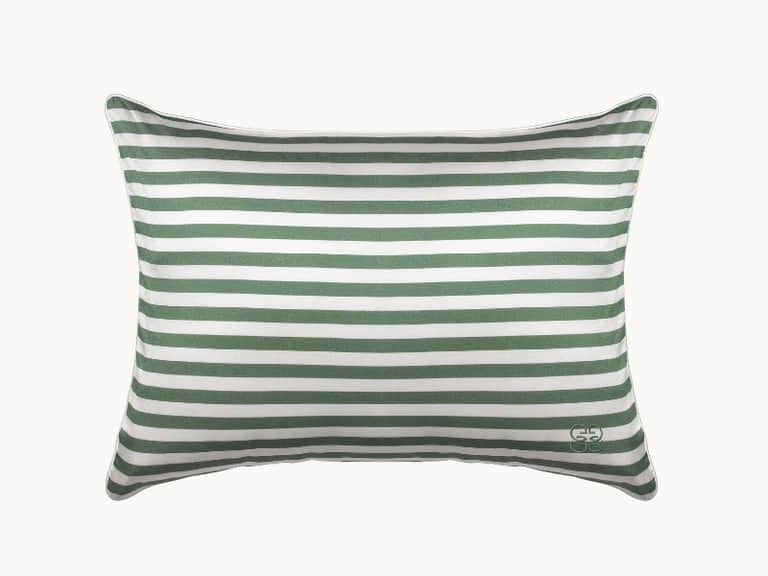
Color and pattern, meanwhile, are matters of both taste and maintenance. Deep shades may show lint differently from pale ones; prints may have their own care requirements. Read the instructions for the actual item rather than applying a generic rule to all silk. Even within one collection, finishes and embellishments can differ.
How to compare silk sheets thoughtfully
A comparison is most useful when it begins with the same set of questions for each sheet. Record the answers in plain language. This prevents a seductive photograph or a persuasive adjective from carrying more weight than the construction details.
- Fiber content: Is the sheet described as 100% silk, and is the type of silk identified?
- Weight: Is momme stated? If so, compare the figures while remembering that weight alone does not determine quality.
- Weave and surface: Is the weave identified, and does the description explain the expected feel or sheen?
- Fit and dimensions: Does a fitted sheet have enough pocket depth for your mattress and any topper?
- Finishing: Are there borders, prints, piping, or other features that may affect appearance or care?
- Care: Can the sheet be washed at home, and do you have the time and facilities to follow its instructions?
- Transparency: Are specifications clear enough to distinguish the material from general marketing language?
Some product descriptions give a precise weight and fiber composition but little explanation of the weave. Others describe the look and hand in detail while omitting a technical measurement. Neither gap should be filled with assumption. If the missing information is important to your decision, consult the full care label or ask the seller for clarification before treating one sheet as directly comparable to another.
It is also wise to compare like with like. A fitted sheet and a flat sheet have different jobs; a pillowcase is not evidence of how a full sheet will fit a mattress. Within a bedding range, one item may be described at 19 momme and another at 22. That is not necessarily a contradiction; it may reflect distinct products. Read each specification as belonging to the item in front of you.
Everyday care: gentle habits, clear instructions
Silk has a reputation for delicacy, and it does benefit from considerate handling. That need not make its care mysterious. The most reliable starting point is always the care label for the specific sheet. Product guidance can differ: some silk bedding is described as suitable for a delicate machine cycle, while other pieces may require hand washing or professional cleaning. A general article cannot override instructions supplied for a particular fabric.
Where machine washing is permitted, a cool, gentle cycle is commonly recommended for silk bedding. A mild detergent formulated for silk or other delicate fibers is a sensible choice. Avoid bleach and harsh stain treatments unless the manufacturer specifically says they are appropriate. Strong chemicals and rough handling can affect a delicate textile; the safest course is to follow the stated temperature and product instructions rather than experimenting on the whole sheet.
Turning items inside out, where the care guidance recommends it, can help limit abrasion to the visible surface. Washing silk separately or with similarly delicate fabrics also reduces the chance of damage from zippers, hooks, and rougher textiles. A mesh laundry bag may provide an additional barrier for smaller pieces, but it is not a substitute for a permitted wash method or a gentle cycle.
Air drying is often advised for silk. After washing, support the fabric rather than wringing or twisting it, then dry it away from excessive heat and direct, prolonged sunlight. A tumble dryer can expose fibers to heat and friction, so do not use one unless the care instructions explicitly allow it. Silk does not need to be hurried. The aim is to let it dry without placing unnecessary strain on the weave.
If ironing is permitted, use a cool setting and follow the label. It is generally preferable to avoid pressing a silk sheet at high heat. Some fabrics respond well to a light ironing while slightly damp; others have different requirements. When in doubt, test a discreet area only if the instructions allow, or skip ironing. The natural drape of the sheet is part of its appeal, and a perfectly flat surface is not a condition of a comfortable bed.
Small spills are best addressed promptly but calmly. Blot rather than rub, and avoid reaching immediately for an aggressive stain remover. A stain’s cause, the dye, and the fabric’s finish all matter. For a stubborn mark, professional advice may be safer than a succession of home treatments. Persistent friction during cleaning can do more harm than leaving a minor mark alone until the right method is clear.
Does silk bedding require special storage?
Between uses, store clean sheets in a dry place where they are not crushed beneath heavy objects. A breathable shelf or fabric storage bag is preferable to leaving them damp or sealing them away before they are fully dry. Avoid contact with sharp hardware that might snag the surface. These are modest precautions, but textiles often last longer when storage is as considerate as washing.
Rotation helps, too. Like any bedding, a silk sheet benefits from not being subjected to constant use without rest. Rotating sets gives each one time between washes and reduces the frequency of wear on a single piece. The result is not a scientific guarantee of a particular lifespan; it is simply a practical way to spread ordinary use across more than one set.
Comfort, claims, and the sensible middle ground
Silk’s breathability and smooth surface are among the qualities people value in bedding. The fiber can take up and release moisture, and a fine silk fabric may feel light against the skin. Yet a sheet’s warmth is affected by more than its fiber: room temperature, the duvet, sleepwear, mattress, and an individual’s own preferences all play a part. “Temperature regulating” is a useful broad description, not a guarantee that the same sheet will feel identical to everyone in every season.
Likewise, silk is sometimes called hypoallergenic. People with sensitivities should read that claim carefully rather than treating it as a promise of immunity from reactions. Sensitivities vary, and dyes, finishes, detergents, and other components may matter as much as the fiber itself. If you have a known allergy or a medical concern, the product’s full material information and advice from a qualified health professional are more dependable than a sweeping label.
Natural origin and environmental responsibility are also related but separate questions. Silk is a natural fiber, but that fact alone does not describe how it was produced, dyed, transported, or finished. Readers concerned about sourcing should look for specific information about origin and relevant standards or certifications. A general appeal to nature is not a substitute for traceability.
A short checklist before you decide
Before choosing Gingerlily silk sheets, or comparing them with another set, take a final look at the practical particulars. Is the fiber content explicit? Is momme given for the exact sheet you are considering? Does the weave description match the surface you want? Will the fitted version suit the mattress? And are you comfortable following the washing and drying instructions?
The answers do not need to turn a bedroom decision into a research project. They simply make the choice more grounded. If you like a lighter drape, you may value one set of characteristics; if you prefer a more substantial hand, another weight may be more appealing. Either way, the objective is not to find the largest number or most elaborate description. It is to understand the fabric well enough to know what you are choosing.
The conclusion, in practical terms
Momme gives a useful indication of silk weight, while weave and finishing help explain the surface, drape, and appearance. Fiber labels identify material, but do not tell the whole story; construction and fit make a difference to daily use; and care instructions deserve the same attention as the specifications that first attract the eye.
Silk sheets reward a little care, though not necessarily an elaborate ritual. Handle them gently, use an appropriate detergent and wash method, dry them without excessive heat, and follow the instructions for the particular item. Once the vocabulary is familiar, evaluating silk becomes less an exercise in deciphering luxury language and more a straightforward reading of a textile: what it is made from, how it is built, and how it is likely to live in your home.
This article is for general educational purposes. Always follow the care label and product-specific instructions supplied with your bedding.