A Beginner’s Guide to Natural Fibers: Silk, Linen, and Plant-Based Alternatives
Exploring the textures of nature’s fabrics, from the luxurious hush of silk to the crisp honesty of linen, and the green promise of plant-based alternatives. This guide unpacks how these materials are produced, what they mean for sustainability, and how to choose textiles that align with eco-minded living. It also introduces key voices from different eras who shaped our understanding of textiles and their cultural significance.
The Arc of Natural Fibers: A Quick Overview
Natural fibers have long anchored human life in both function and ceremony. They carry stories of cultivation, craft, and trade, turning raw materials into everyday comforts and ceremonial textiles alike. Silk, linen, cotton, hemp, and new plant-based blends inhabit this landscape, each with its own rhythms of production, care, and performance. In a world increasingly attentive to sustainability, these fibers offer not only tactile pleasures but also moral and ecological signals about how we live with the Earth’s resources.
At their core, natural fibers are defined by their origin—silk from silkworms, linen from flax, cotton from the cotton boll, hemp from the hemp plant—and by the way their structure translates into strength, softness, warmth, and breathability. The way they’re processed—from farm to fiber to fabric—affects everything from microclimate management in bedding to the longevity of a garment. The “natural” label is not a guarantee of perfection; it invites us to consider traceability, ethics, and the environmental footprint of each fiber’s journey.
Silk: The Protein Story of Comfort and Calm
Silk has long carried the aura of luxury, yet it remains astonishingly practical. Mulberry silk, the most common type in Western markets, is celebrated for its smoothness, high protein content, and temperature-regulating properties. A silk fabric’s sheen is not mere glow; it is a reflection of its fiber structure—long, aligned filaments that create a surface with low friction against skin and hair. These characteristics translate in daily life to less wakeful rubbing, reduced hair breakage, and a calm, even microclimate for the sleeper.
Careful cultivation and processing are essential to silk’s sustainability narrative. Traditional sericulture, if managed with ethical labor practices and responsible waste handling, can offer a relatively low-energy path to a durable textile. Yet the production chain is not free of concerns: water use, chemical dyes, and the welfare of the silkworms and workers all demand scrutiny. The guideposts include certifications, transparent supply chains, and educational partnerships that illuminate the fiber’s full lifecycle.
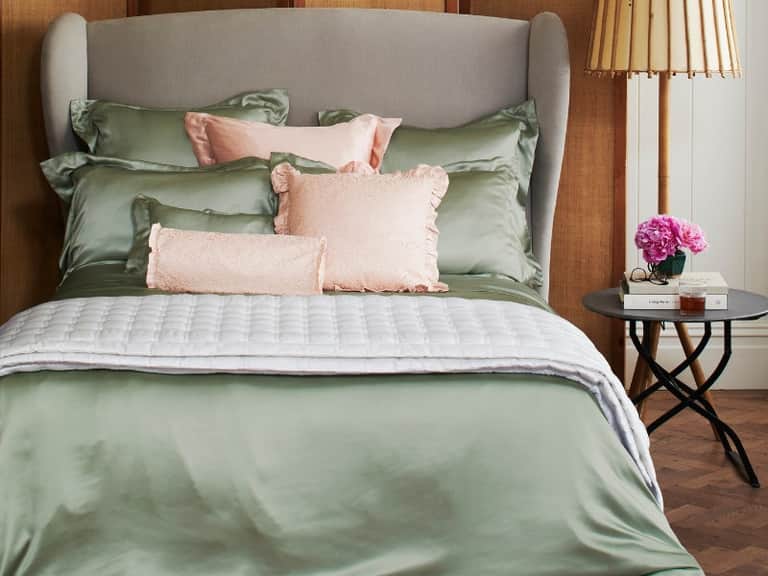
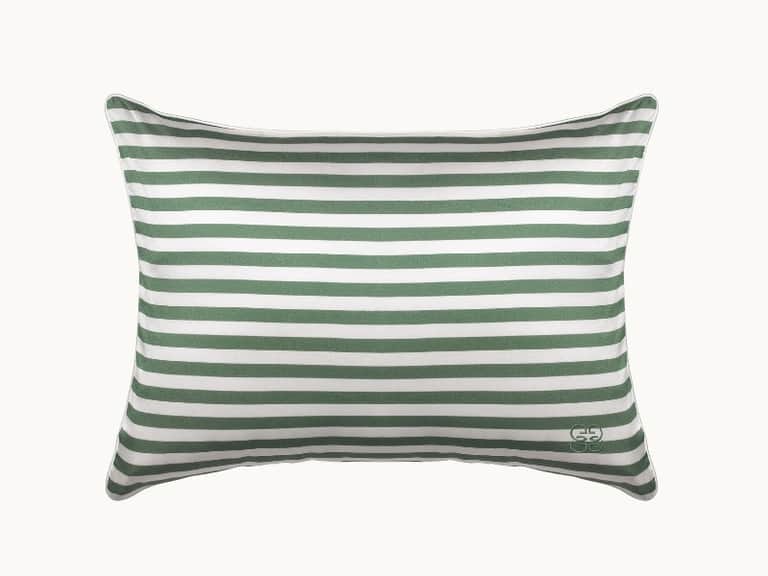
In practical terms, silk is well suited for bedding due to its breathability and moisture-handling. A product like the Sage Silk Pillowcase demonstrates the everyday luxury of silk in a form that’s both functional and specific: 100% mulberry silk, 19 momme weight, and a knife-edge envelope closure designed for smooth entry and exit of the pillow. Such a pillowcase offers a tactile experience that’s gentle on skin and hair while remaining relatively easy to care for with gentle washing and air drying.
Key takeaway: silk is more than a texture; it is a living ecosystem of inputs and practices. When chosen with awareness—looking for certifications, ethical sourcing, and durable construction—it can offer a refined blend of health benefits and climate comfort that aligns with sustainable living.
Linen and Cotton: The Fiber Duo of Breathability and Comfort
Linen and cotton form the backbone of many households worldwide. Linen, derived from the flax plant, is celebrated for its cool, crisp hand and remarkable durability. It thrives in warm climates and can become softer with repeated washings. Cotton, the most ubiquitous of natural fibers, offers a lush softness and an accessible path to a broad range of textures and weights. Both fibers are historically linked to agricultural cycles, artisanal crafts, and local economies, making them central to conversations about sustainable fashion and home textiles.
A linen sheet set might translate into a bed-linen ethos of "cool, crisp, and breathable," especially in warmer months. Cotton sheets, meanwhile, balance softness with versatility across climates, with blends and ring-spun yarns providing varied textures and durability. The differentiator remains care: linen responds to air-drying and gentle washing in ways that favor longevity, while cotton’s performance can vary depending on weave, thread count, and finishing.
Historical anecdote: the linen trade and the cotton routes map closely to global economic networks, from the Nile valley to the Levant and beyond, illustrating how fiber choice shapes cultural exchange. Linen’s long-standing association with temperate climates and linen’s perennially cool touch contrast with cotton’s adaptability to diverse environments, delivering a spectrum of textile behavior that modern designers often celebrate in designs that blur seasonal boundaries.
Plant-Based Alternatives: The Green Frontier
Plant-based textiles—such as bamboo, hemp, and newer regenerative fibers—represent a frontier in which sustainability must be weighed against performance and life-cycle impact. Plant-based textiles can offer environmental benefits through renewable growth cycles, lower energy inputs, and innovative processing techniques. Yet they also raise questions about land use, pesticide exposure, and end-of-life disposal. The conversation around plant-based fibers is not a simple binary of “good” or “bad”; it is about nuanced trade-offs, product design, and transparent energy accounting.
For readers seeking a pragmatic approach, the guide emphasizes labels that reveal sourcing, processing, and certifications. For example, a plant-based textile used in bedding should ideally come with information about dye processes, water treatment, and any chemical finishing. The goal is to balance comfort, durability, and ecological responsibility in a way that respects local communities and ecosystems.
Reading Fiber Labels: A Practical Toolkit
A reader modern and mindful needs a “decoder ring” for fabric labels. The guide’s practical toolkit includes:
- Fiber composition and weight (mommes for silk; thread count for cotton blends)
- Certifications (OEKO-TEX, GOTS, Fair Trade) and supply chain transparency
- Weave and finish (sateen, percale, twill, damask) and their implications for drape and care
- Care instructions that preserve texture, sheen, and performance
- Source context: farm practices, milling, and dye techniques
This toolkit is not merely a shopping list; it’s a way to cultivate discernment about how textiles meet daily needs while aligning with ethical and environmental standards.
Key Figures Across Time: Voices That Shaped Fiber Thinking
To illuminate the cultural and historical textures of natural fibers, we turn to three figures whose work bridges centuries and disciplines:
- Pliny the Elder (1st century CE) — The ancient Roman naturalist who cataloged the world’s materials and their properties, from textiles to stones. His compendia reflect early systems of classification that would, centuries later, influence how societies think about fiber provenance and use. Pliny’s curiosity about materials stands as a reminder that curiosity, observation, and taxonomy are foundational to understanding natural textiles in any era.
- George Washington Carver (1864–1943) — An American agricultural scientist who championed crop diversification, soil health, and the practical cultivation of plant-based resources. Carver’s devotion to sustainable agriculture and the exploitation of nature’s potential resonates with the modern instinct to view natural fibers as part of a broader ecological system, rather than as mere commodities.
- Anni Albers (1899–1994) — A pioneering textile artist and designer associated with the Bauhaus school, whose experiments with weave, structure, and color expanded the language of textile art. Albers reminds us that fiber work sits at the intersection of craft, design, and social philosophy—an invitation to readers to consider textiles as cultural artifacts with contemporary relevance.
These voices—ancient naturalists, 20th-century innovators, and modern designers—frame the guide’s spirit: to look closely, to question, and to imagine textiles as living systems that connect hands, habitats, and human needs across time. The guide’s editorial stance embraces curiosity, rigor, and a respect for the artisanal as well as the scientific, echoing a New Yorker-esque cadence of precise observation paired with a humane sense of wonder.
A Practical, Non-Commercial Note: Selecting Sustainably and Thoughtfully
In a marketplace saturated with glossy claims, this guide remains committed to clarity and responsibility. While textile markets are full of alluring finishes, the most meaningful decisions come from understanding fiber origins, processing methods, and post-consumer lifecycles. The objective is a durable textile ecosystem where comfort and ethics converge.
If you seek a concrete example from our product palate, consider the Sage Silk Pillowcase from Gingerlily. This item—woven from 100% mulberry silk, 19 momme, with a knife-edge envelope closure—encapsulates the tactile luxury and practical care that natural silk can offer in everyday life. The pillowcase’s features are deliberately chosen to support skin and hair health, while its care instructions emphasize gentle handling and longevity. It stands as a case study in how a single textile product can embody both scientific understanding of fiber properties and a thoughtfully designed user experience.
Conclusion: A Future Woven with Care
Natural fibers are not relics of the past but active participants in our present and future—materials that offer sensory richness, functional reliability, and a continuous invitation to consider how we live, work, and dream with textiles. Silk, linen, cotton, hemp, and plant-based innovations each offer a different path toward comfort and responsibility. The best choices emerge when we read the fibers’ stories with care, ask the right questions, and favor products and brands that illuminate those stories with transparency and integrity.
As we move forward, this guide serves as a compass: a map of textures, processes, and possibilities that respects both the craft of making and the ecological limits we navigate together. The journey through natural fibers is, in many ways, a journey through time—an evolving dialogue between nature’s generosity and human ingenuity.
Selected Product Highlight: Sage Silk Pillowcase
Sage Silk Pillowcase
Gingerlily • 19 momme silk • Knife-edge envelope closure
Woven from 100% mulberry silk, the Sage Silk Pillowcase embodies natural temperature regulation and hypoallergenic comfort. Its surface is gentle on skin and hair, helping reduce friction and maintain moisture balance overnight. Care is simple: wash on a delicate cycle at no more than 30°C, air dry, and iron on cool if needed. Washing pillowcases inside out is recommended to preserve surface sheen.
Price: $155.00
View product
Note: Images are for product context and mood; the article foregrounds material properties and informed consumer choices.
Additional Resources and Reading
For readers who wish to deepen their understanding, consider historical and contemporary sources on sericulture, textile history, and sustainable fashion. Look for museum catalogs, academic journals, and industry reports that trace the lifecycle of fibers from field to finished textile. The goal is to cultivate a responsible, curious approach to textiles—one that blends aesthetic appreciation with an earnest commitment to environmental stewardship.